The Empty Saturday Rule: Why the Best B&B Weekends Leave Room to Wander
There is a certain kind of weekend traveler who arrives at a bed-and-breakfast with a printed schedule, three restaurant reservations, and a spreadsheet of nearby attractions. They mean well. They want to make the most of their two days. But by Sunday morning, they often look like they need a vacation from their vacation.
The better version of a B&B weekend is quieter and, frankly, easier to pull off. It starts with one loose plan and one deliberately empty Saturday afternoon. Call it the Empty Saturday Rule: leave a generous block of time with nothing on the books, and let the town, the porch, or your own curiosity fill it.
The myth of the packed itinerary
Most weekend travel advice assumes more is better. More stops, more photos, more local flavor crammed into forty-eight hours. But a bed-and-breakfast is not a theme park. Its pleasures are slower: the coffee that appears before you ask, the innkeeper who knows which bakery opens early, the chair on the front porch that catches the afternoon sun.
When you over-schedule a B&B stay, you spend more time driving between things than actually being anywhere. You eat breakfast in a hurry because the first attraction opens at nine. You skip the porch because the antique shop closes at five. You return at night too tired to enjoy the room you paid for.
An empty Saturday afternoon flips that equation. It gives the weekend room to breathe, and it gives you permission to do the thing that is hardest for busy people: nothing in particular.
Pick a base, not a checklist
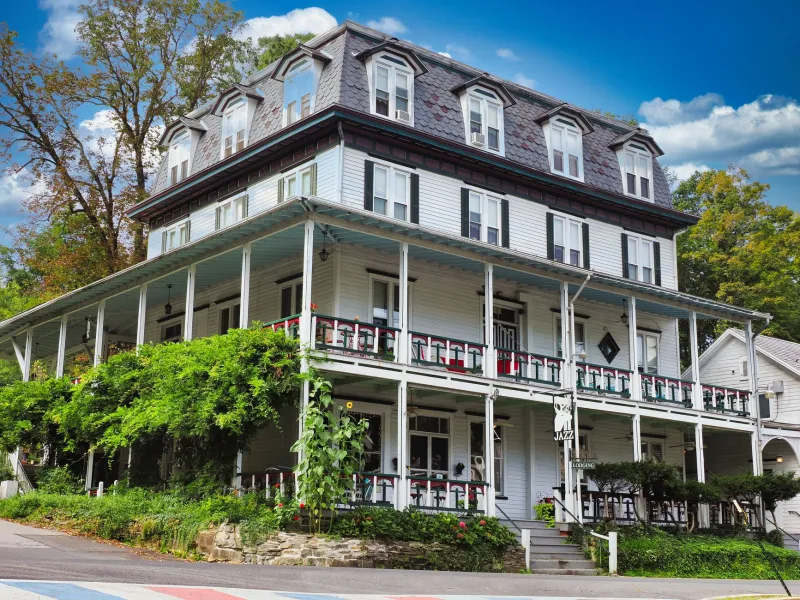
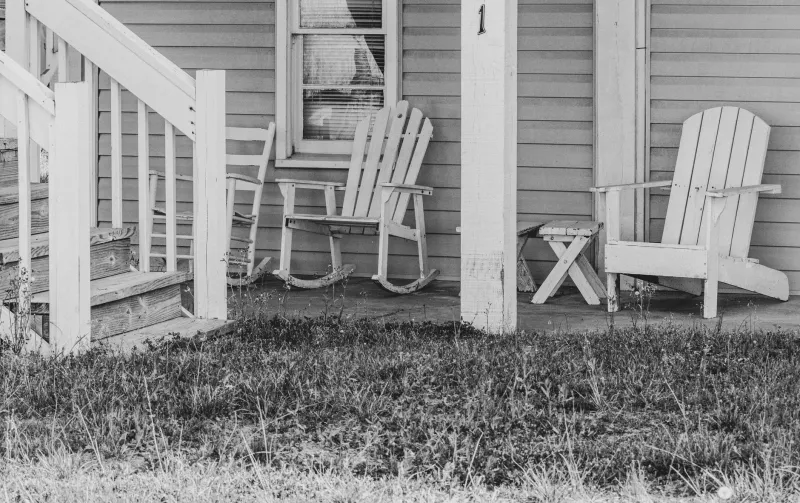
The first step is choosing the right inn for the right reason. A cozy B&B works best as a base, not as a staging area for a marathon. Look for a place with common spaces you actually want to use: a living room with books and board games, a porch with rocking chairs, a garden with a bench. Those are not extras. They are the point.
When you book, ask the innkeeper one simple question: what would you do with a free afternoon here? The answer is usually better than anything you will find on a top-ten list. It might be a used bookstore two streets over, a walking path along the river, or a diner that looks unremarkable from the outside and serves the best pie in the county.
That conversation is your one loose plan. It is enough.
What an empty afternoon actually looks like
An empty afternoon does not mean sitting in your room staring at the wall. It means leaving space for small, unforced choices. You might start with lunch at a place the innkeeper recommended, then wander toward the town square. You might find a bookstore with a cat asleep in the window and stay longer than you intended. You might end up on a bench watching leaves move in the wind, and that might be the best hour of the trip.
In a US small town, this is easy to do. Main Streets are made for aimless strolling. Local bookstores often have a table of regional titles and a clerk who is happy to talk. Coffee shops have mismatched mugs and window seats. If you are near a river, a lake, or a rail trail, a short walk can turn into a long one without anyone minding.
The key is to resist the urge to turn the afternoon into a project. Do not open your phone and start searching for the best thing to do. Do not treat the empty block as a problem to solve. Treat it as the plan.
The one-loose-plan rule
An unplanned weekend still needs a little structure, or it can slide into indecision. The sweet spot is one loose plan per day. On Saturday, maybe that plan is a morning visit to a farmers market and nothing else. On Sunday, maybe it is breakfast at the inn and a slow drive home.
Everything else is optional. If you stumble onto a craft fair, great. If you do not, also great. The loose plan gives you a reason to leave the inn, but it does not dictate the rest of the day.
This is especially useful for couples and friends with different ideas of a good time. One person can browse the bookstore while the other sits on the porch. You can split up for an hour without feeling like you are missing something. The empty afternoon makes room for separate moods.
How to protect the blank space
It is easy to say you will leave Saturday afternoon open. It is harder to actually do it. Here are a few practical ways to keep the blank space blank:
- Do not book timed attractions. If a museum or tour requires a reservation, put it on Friday evening or Sunday morning. Keep Saturday afternoon free.
- Eat a real breakfast. The inn breakfast is not a pit stop. It is one of the reasons you chose a B&B. Sit down, drink the coffee, and let the morning unfold.
- Leave the car parked. Walking is the best way to find the unplanned stuff. A town you can cover on foot is a gift.
- Ask one question, then stop researching. The innkeeper's suggestion is enough. You do not need a backup list of eight other options.
- Bring a book. A porch chair and a paperback are a complete afternoon. That is not lazy. That is the whole idea.
A note on guilt
Some travelers feel guilty when they are not doing something. They worry they are wasting the trip. But a weekend away is not a productivity exercise. The goal is not to maximize the number of places you see. The goal is to come home feeling like you actually rested.
An empty Saturday afternoon is not a hole in your itinerary. It is the thing that makes the itinerary worth having. It is the hour you remember when you are back at your desk on Monday: the light on the porch, the smell of old books, the sound of a town that is not in a hurry.
What you will remember
You probably will not remember the third museum you squeezed in. You will remember the innkeeper who left a note with a hand-drawn map. You will remember the bookstore cat. You will remember sitting on the porch with a cup of coffee, watching the street go quiet, and realizing you have nowhere else to be.
That is the case for an unplanned B&B weekend. Pick a cozy inn. Make one loose plan. Leave Saturday afternoon blank. Let the weekend surprise you.