Beyond the Water Bowl: How to Tell a Real Pet-Friendly Inn From a Polite Maybe
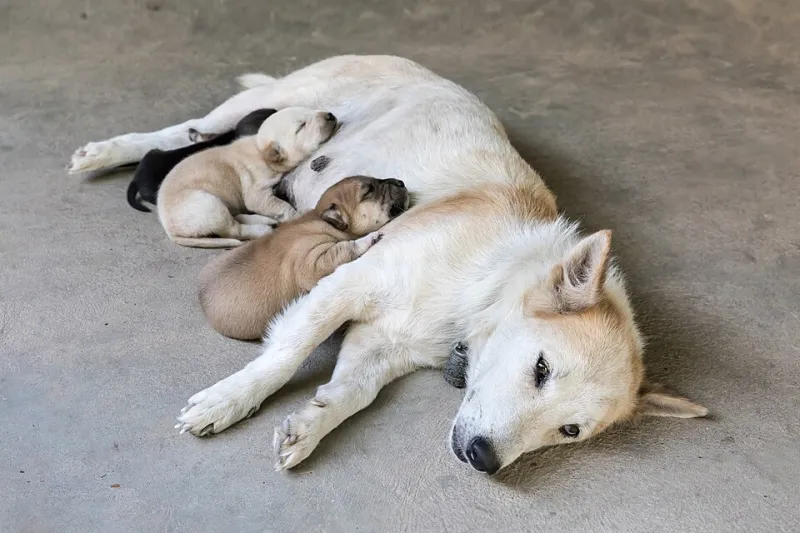
Photo: Basile Morin, CC BY-SA 4.0, via Wikimedia Commons
There is a special kind of disappointment that comes from booking a “pet-friendly” inn and discovering the phrase meant only that no one would chase you off the property. The dog is allowed, technically. But the breakfast room is off-limits, the lawn is decorative rather than usable, and every hallway feels like a place where you should apologize for existing. That is not a pet-friendly weekend. That is a weekend spent managing side-eye.
A genuinely pet-friendly bed-and-breakfast should make the trip easier, not more complicated. The inn should have thought through the same things you think about at home: where the dog sleeps, where the dog walks, what happens if you want to eat breakfast together, and whether anyone is around during the day. The good news is that a few direct questions before you book will tell you almost everything.
Start With the Fee, Then Keep Going
“Pet fee” can mean a lot of things. Ask whether it is a one-time charge for the stay or a nightly add-on. A $25 pet fee sounds reasonable until you realize it is $25 per night and you are staying three nights. Ask whether the fee covers one dog or multiple dogs, and whether there is a weight limit or breed restriction. Some inns have insurance-driven rules that are not personal, but you still need to know them before you drive four hours with a 70-pound lab.
Also ask what the fee actually includes. At a thoughtful inn, it might cover a loaner bed, bowls, towels for muddy paws, and a little extra cleaning time. At a less thoughtful one, it is simply a surcharge. Neither answer is automatically wrong, but the first tells you the inn expects dogs to be comfortable. The second tells you the inn expects dogs to be tolerated.
Where Can the Dog Actually Go?
This is the question that separates marketing from reality. “Pet-friendly” may mean dogs are allowed in the guest room and nowhere else. That can work for a quick overnight, but it is awkward for a weekend. Ask specifically about the breakfast room, the porch, the lobby, and the grounds. If breakfast is a highlight of the stay — and at a B&B, it usually is — you need to know whether you will be trading shifts with your partner so one of you can eat while the other waits with the dog.
Some inns have a pet-friendly porch or patio where dogs can join you. Some have a designated grassy area, a fenced yard, or direct access to walking trails. Others have a strict “room only” policy, which is fair but should be stated clearly. Ask, too, whether dogs can be left alone in the room. Many inns say no, and that is not unreasonable. But it changes your weekend. If you cannot leave the dog unattended, you will need to plan meals and outings around who stays behind.
The Unattended Question Matters More Than You Think
If the inn does allow dogs to stay in the room while you go out, ask whether anyone is on-site during the day. A quiet inn with no staff around can be fine for a crated, calm dog. A creaky old house with thin walls and other guests napping is a different story. Ask where the pet-friendly rooms are located. Ideally, they are away from the breakfast room, the main staircase, and the thinnest walls. Ground-floor rooms are usually easier for late-night bathroom runs and for dogs who are not fans of stairs.
While you are at it, ask about flooring. Hardwood and tile are easier to clean and less likely to hold odors than wall-to-wall carpet. That is not a dealbreaker, but it is a useful clue about how seriously the inn takes pet stays. A room with a private entrance is even better — fewer hallway encounters, less jingling of tags, and a quicker path to the grass.
Look for the Small Signs of Forethought
A genuinely pet-friendly inn tends to leave evidence before you ask. There may be a water bowl by the door, a spare leash on a hook, or a jar of treats at the front desk. The welcome book might list nearby walking routes, pet-friendly patios, and the number of the closest emergency vet. None of these things are fancy. They are just the details that tell you someone has actually hosted dogs before and thought about what makes it go smoothly.
Ask about the walking situation, too. Is there a safe place to walk after dark? Are the trails nearby paved, grassy, or full of burrs? Is there a place to rinse muddy paws? In winter, ask whether the paths are salted, since some de-icers are hard on paws. In summer, ask about shade and water. These are not fussy questions. They are the same things you would check at home.
Put It in Writing
Before you book, ask the inn to confirm the pet policy in writing — email is fine. You want the fee, the number and size of dogs allowed, the rooms where pets are permitted, and the unattended-dog rule in one place. This protects you if there is a shift change or a misunderstanding at check-in. It also forces the inn to be clear, which is always a good sign.
A real pet-friendly B&B does not have to be luxurious or elaborate. It just has to be honest about its rules and set up for the reality of traveling with a dog. The best ones make you feel like your dog is a guest, not a problem. You still clean up, you still keep the barking down, and you still respect the other travelers. But you are not spending the weekend apologizing for a reservation that the inn invited in the first place.
That is the standard to look for: a weekend that gets easier once you arrive. If the inn can tell you exactly where the dog sleeps, where the dog walks, and what happens at breakfast, you have probably found one that means it.